



Be Energy South Africa is here!
7 July 2025
REBORN Project: Be Energy develops the remanufacturing of EV lithium batteries at the cellular level
7 March 2026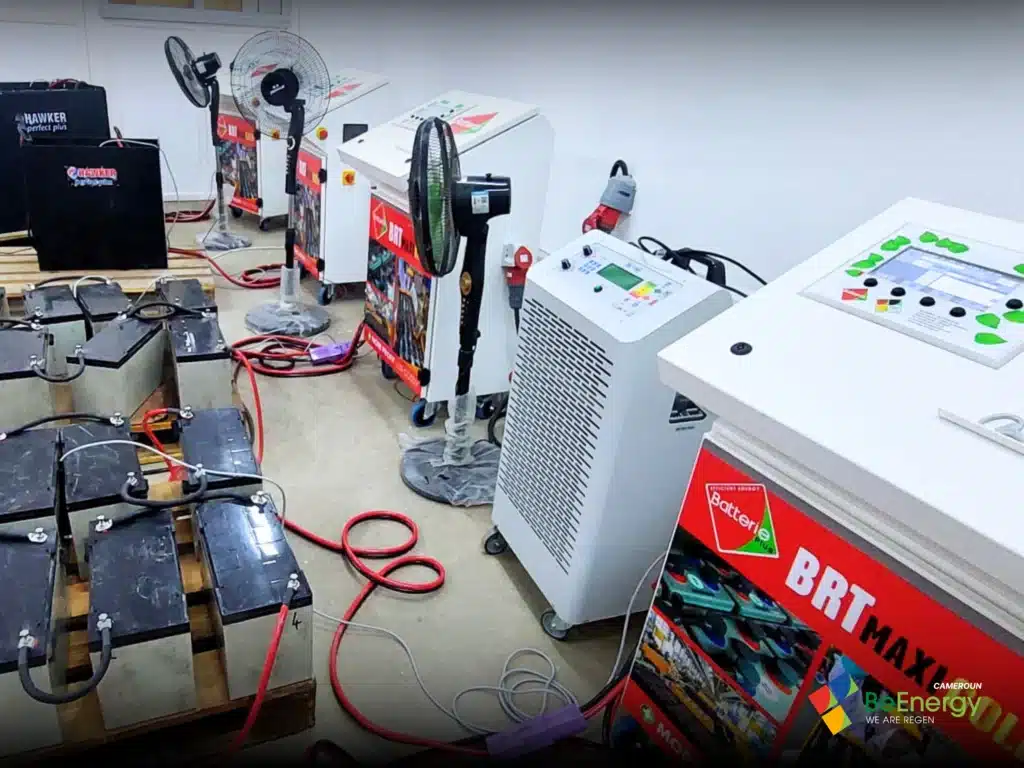
Be Energy Cameroon Center dedicated to the regeneration of lead-acid batteries in Douala.
In an energy landscape marked by heavy dependence on storage solutions, the opening of the Be Energy center in Douala (Vallée Bessengue district) meets a critical industrial need.
After six months of operation, the results confirm that battery regeneration is not only an environmentally friendly alternative, but a strategic necessity for service continuity in Cameroon.
In Cameroon, batteries are a vital component of the economic infrastructure. The frequency of grid instability and the isolation of certain sites require massive use of autonomous systems. The telecommunications, logistics, transportation, and backup power (UPS) sectors are at the forefront.
Until now, the end of a battery's life has always meant costly replacement, importing new equipment, and complex management of lead waste. Regeneration breaks this cycle by restoring the electrochemical capabilities of batteries, transforming capital expenditure (CAPEX) into optimized operational maintenance (OPEX).
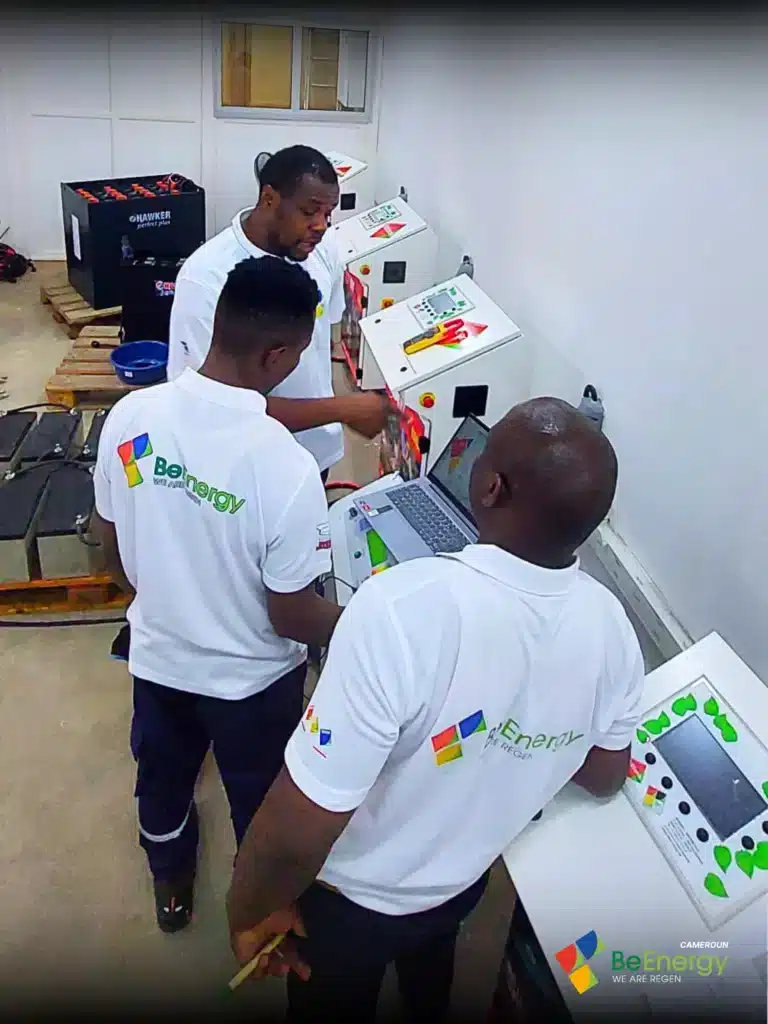
A technical platform designed for industrial use
To respond to the diversity of fleets (start-up, stationary, traction), the Douala center has a comprehensive technical ecosystem capable of handling even the most severe wear profiles.
1. Processing power: The BRT range
The center is equipped to handle industrial volumes while maintaining surgical precision on each item:
-
6 BRT MAXI GOLD regenerators: These units are the heart of the center. They use high-frequency current pulse desulfation algorithms. This process breaks down the lead sulfate (PbSO4) crystals accumulated on the plates without removing active material, thereby restoring the ion exchange surface.
-
1 single-phase BRT10 regenerator : A versatile unit designed for mobile services. It allows direct intervention at customer sites for preventive maintenance operations, thus avoiding the transport costs of heavy stationary equipment.
2. Diagnosis and Certification: Rigorous testing
The process is not limited to charging; it relies on precision measurement tools:
-
Standardized automatic discharge bench : Essential for certifying residual capacity. It simulates a real load to validate discharge curves and ensure that the regenerated battery meets service specifications.
-
QTK (Quick Tester Kiosk) : A rapid diagnostic terminal dedicated to starter batteries. It instantly qualifies the “regenerability” of a unit by measuring its conductivity and open-circuit voltage.
-
Analyzers and specialized tools : Impedance tester kits and precision densimeters enable cell-by-cell monitoring, ensuring the electrochemical balance of the pack.
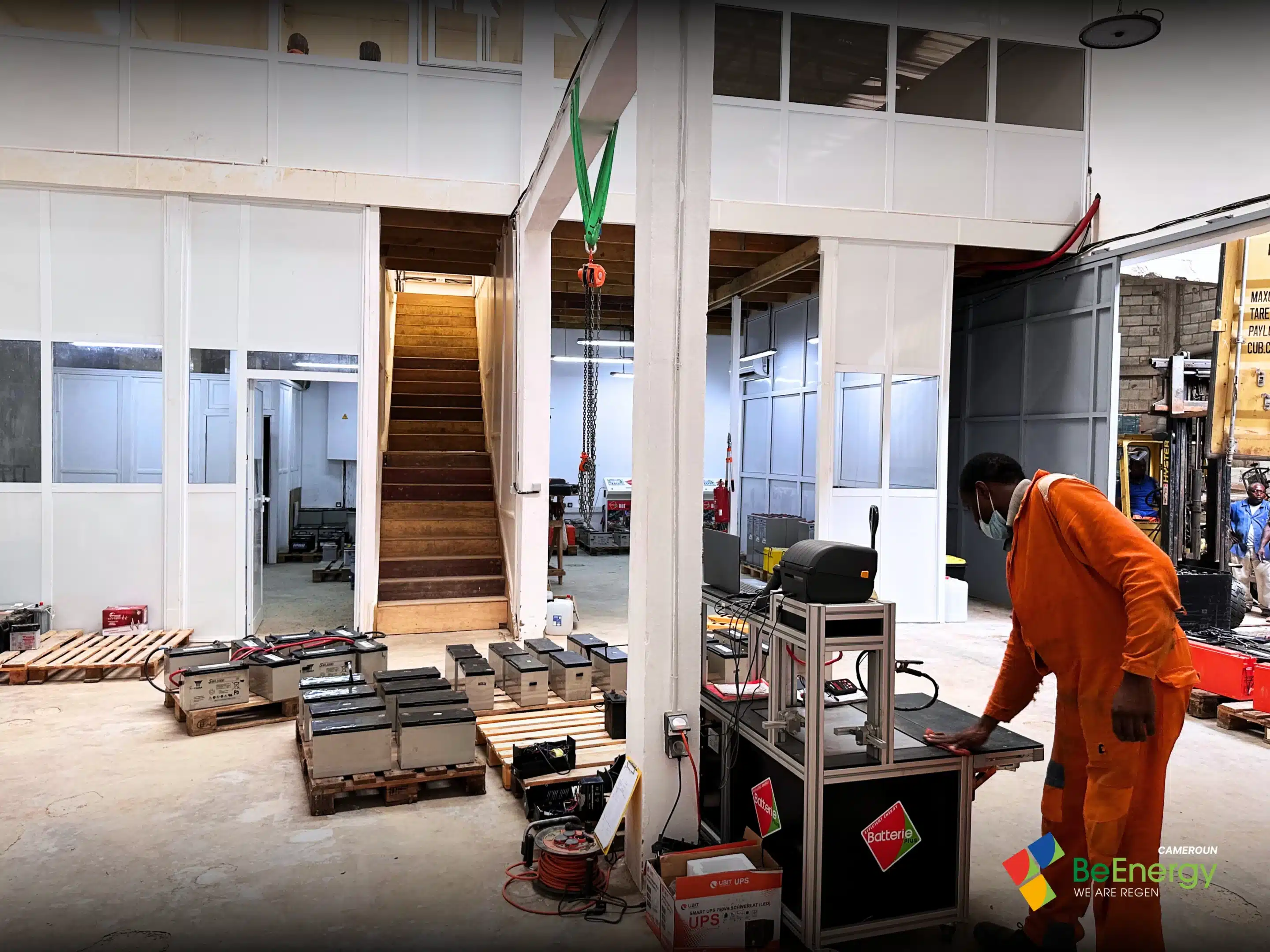
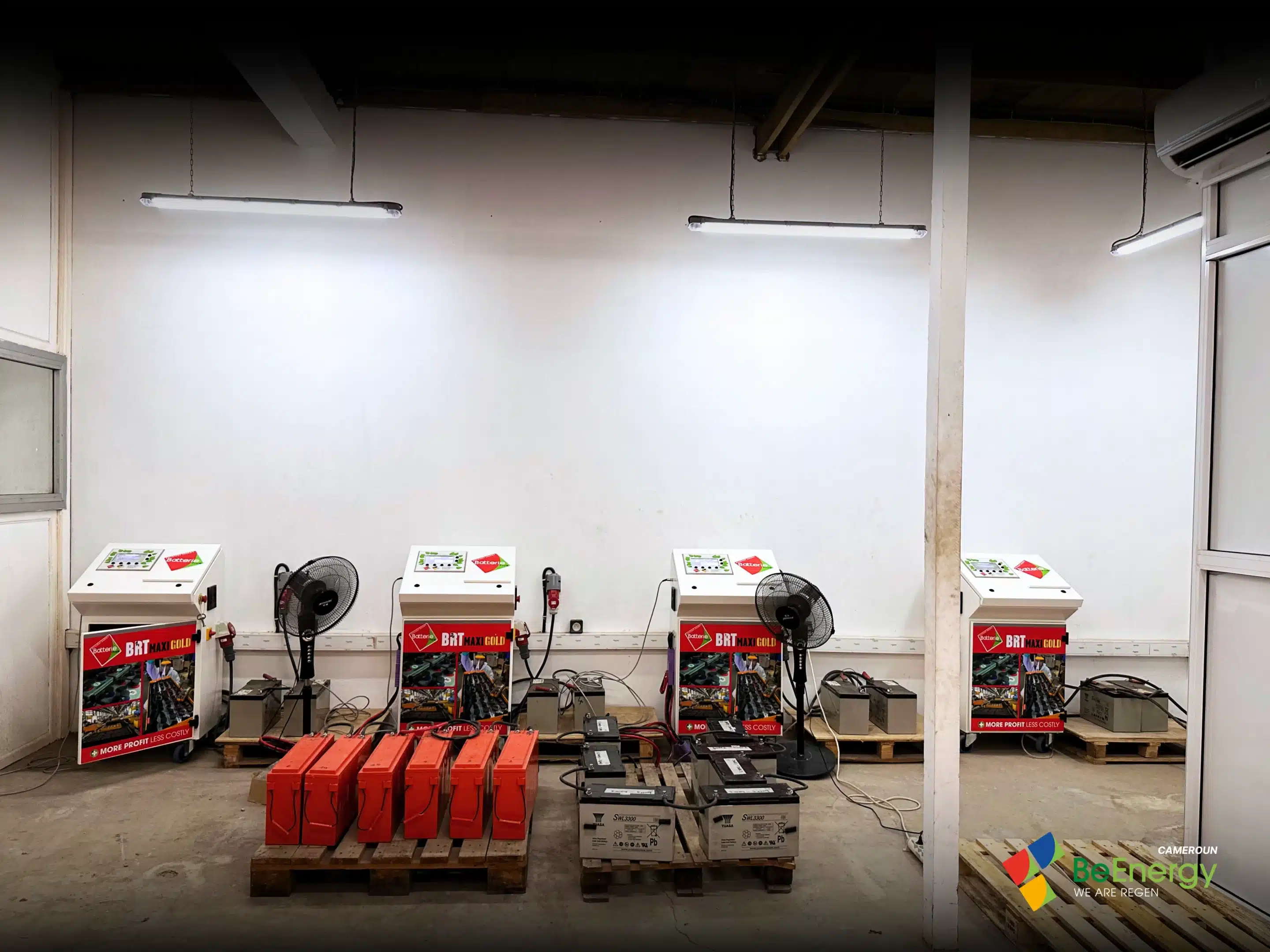
Structural organization: Management by specialized positions
The organization of the Vallée Bessengue center is based on an industrial model that guarantees total traceability:
-
Reception and Sorting Station : Identification of batteries and initial static diagnosis to rule out physical damage (short circuit, broken bridge).
-
Processing Unit : Implementation of desulfation protocols adapted to the type of technology (AGM, Gel, Open Lead) and application.
-
Quality Control Station : Final validation on a discharge bench and issuance of a performance report before returning the battery to service.
A trained and operational team
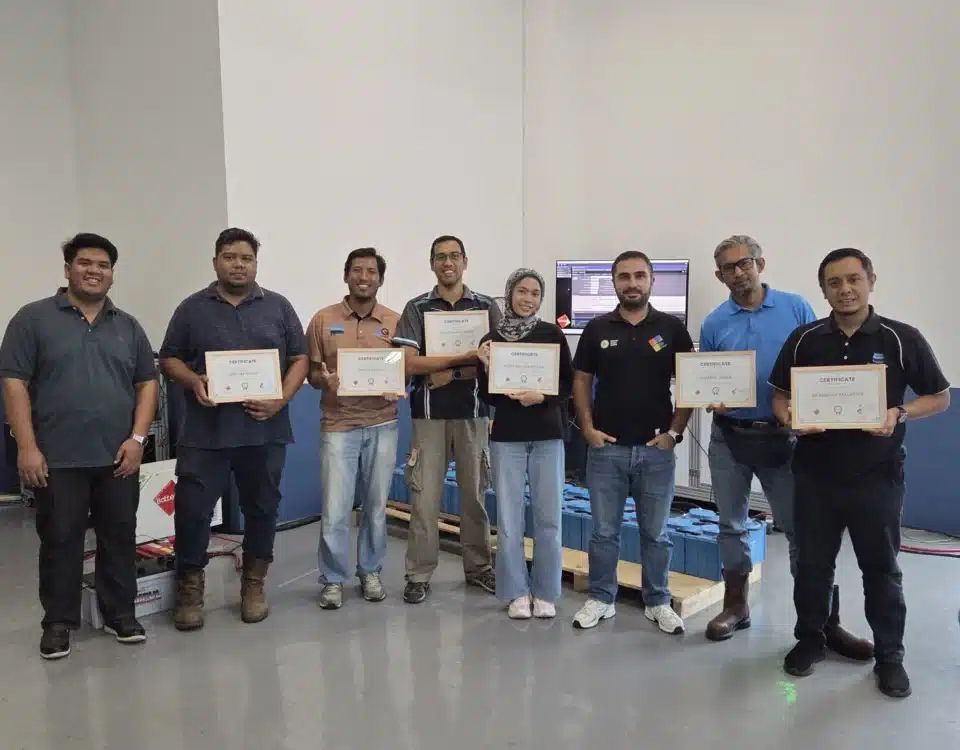
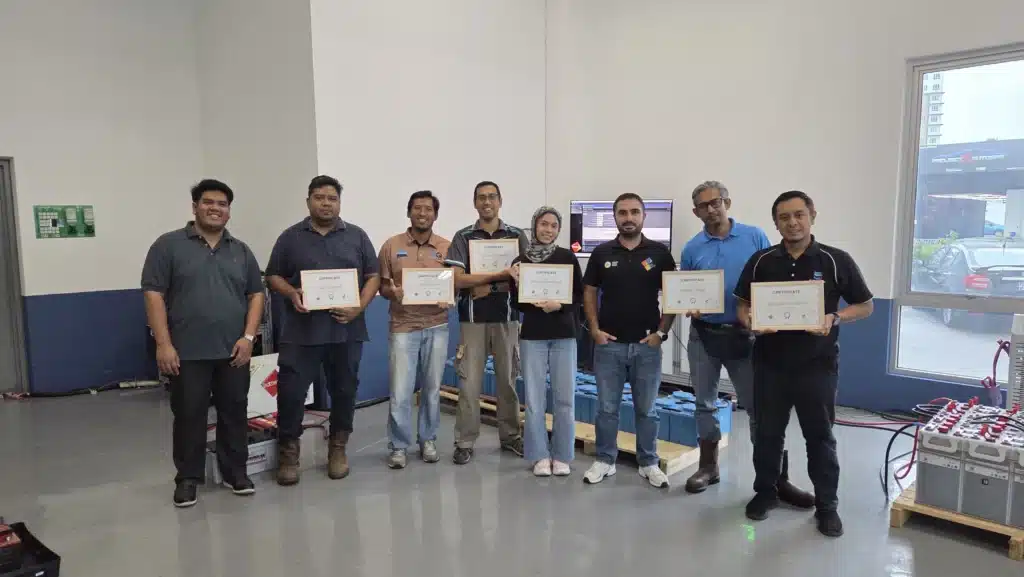
Technological performance relies on solid human expertise. The local team in Douala received intensive in-person technical training, supplemented by ongoing support.
This immersion phase enabled protocols to be adapted to local climatic conditions, particularly the thermal management of electrolytes in tropical environments. At the same time, technicians were trained via the RegenAcademy platform, covering the entire battery life cycle: diagnosis, regeneration, maintenance, and monitoring.
The teams also underwent sales training to support the development of the local market and the structuring of a sustainable industry.
In six months, the Be Energy center in Douala has demonstrated its ability to secure critical infrastructure while reducing environmental impact. For fleet managers, this approach provides a concrete response to the challenges of availability, performance, and cost control.
The momentum observed confirms the relevance of a local, progressive model adapted to the operational realities of Cameroon.
In brief
Energy resilience: Securing critical infrastructures (telecom, logistics, backup power) against grid instability in Cameroon.
Financial optimization: Significant CAPEX reduction by extending battery fleet lifespan by 2 to 3 times.
Industrial technical platform: 6 BRT MAXI GOLD regenerators and one mobile BRT10 unit for large-scale processing and on-site interventions.
Performance certification: Systematic validation of residual capacity on a standardized discharge bench before returning batteries to service.
Certified local expertise: Technical team trained on-site to adapt desulfation protocols to tropical climate constraints.