




Industrial Battery Regeneration: Be Energy Joins the ZEBOX Ecosystem – One Year Later
23 April 2026
FASEP Regen India: The PTS 800 at the heart of establishing a lithium-ion battery reconditioning facility in Hyderabad
19 May 2026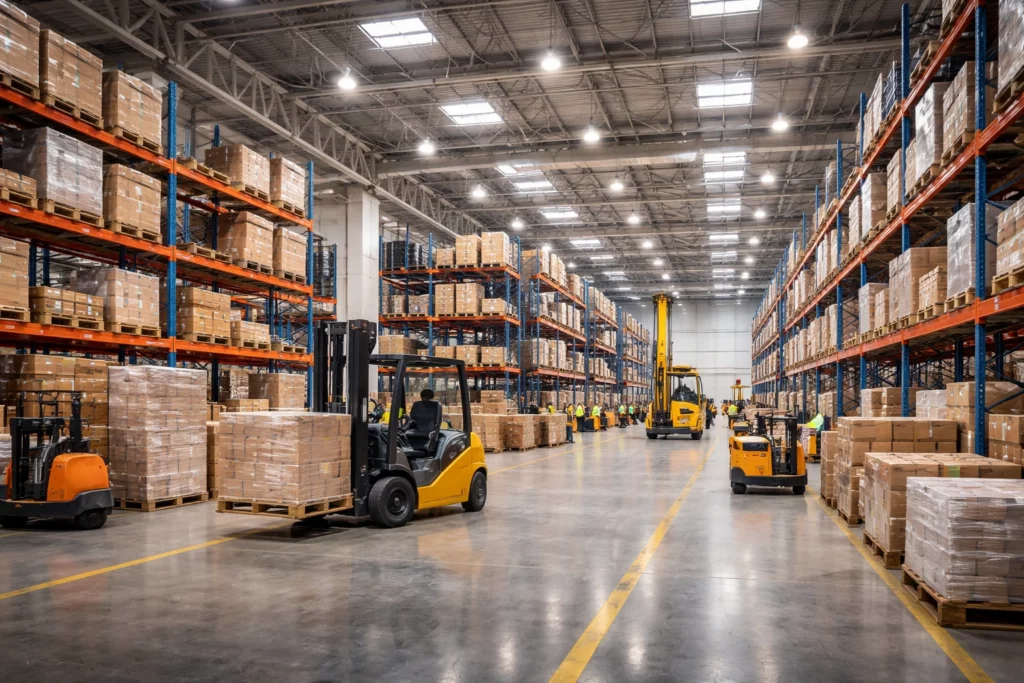
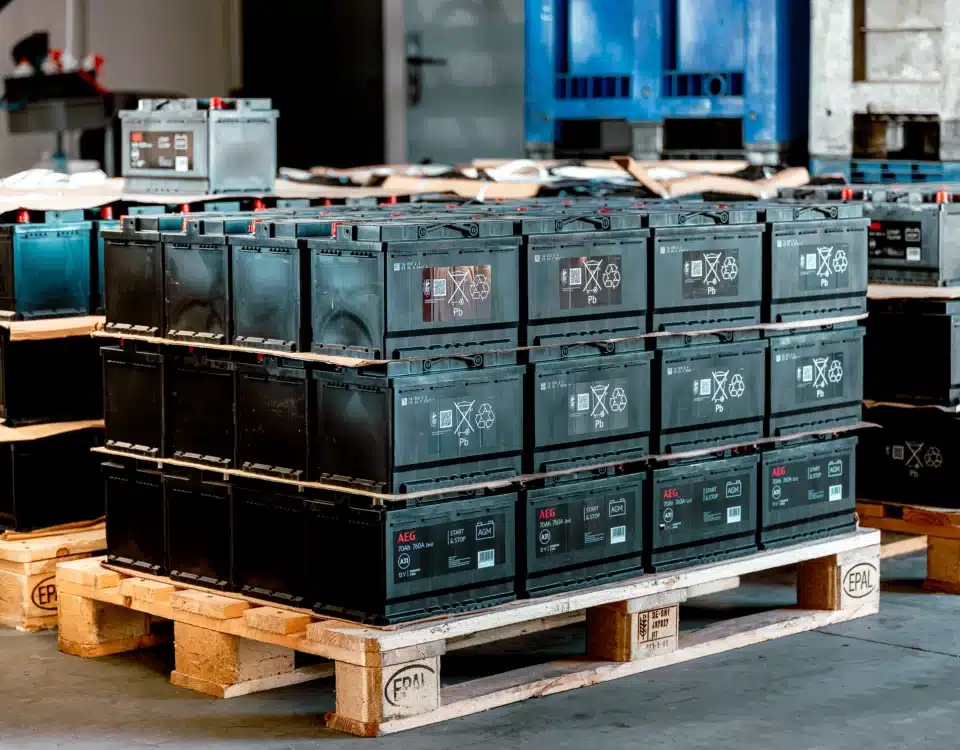
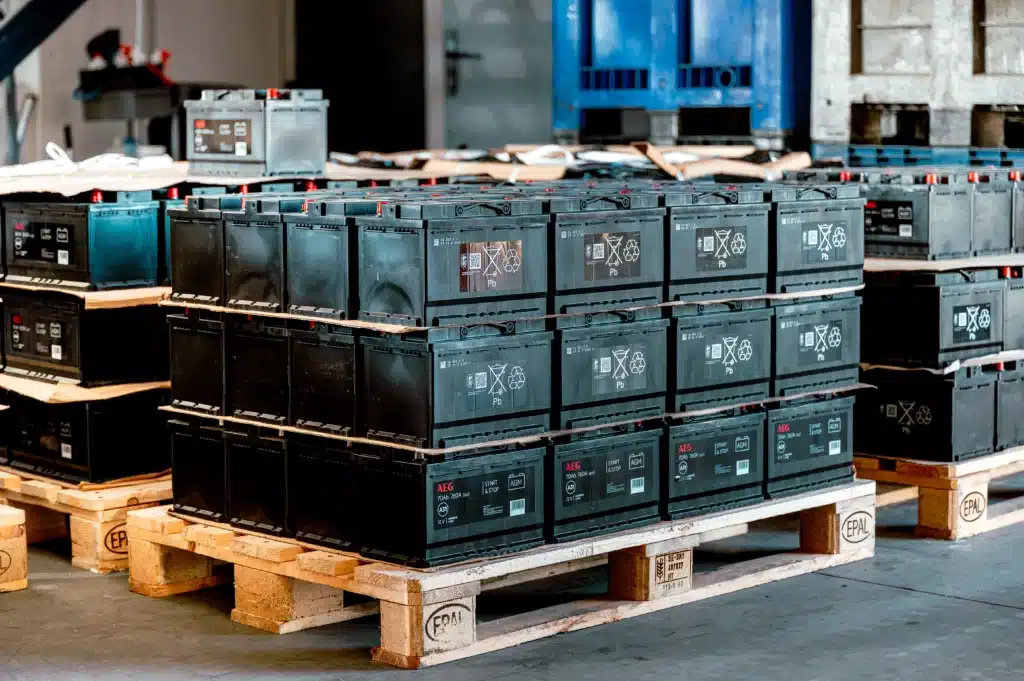
For companies operating fleets of forklifts, logistics vehicles, or industrial equipment powered by lead-acid batteries, battery fleet management is rarely seen as a strategic priority—until a failure brings operations to a halt.
Yet, this very cost center—often reactive, unpredictable, and poorly managed—holds one of the greatest opportunities for optimizing operational expenses. The solution: shift from a reactive replacement approach to structured fleet management through a battery maintenance contract that integrates diagnostics, regular servicing, and regeneration.
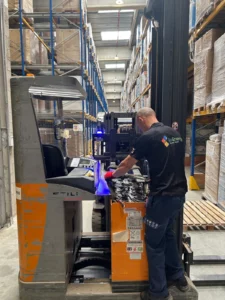
A turnkey solution to manage your battery fleet and optimize costs, performance, and environmental impact.
The hidden cost of reactive management: what replacement really costs you
In most industrial environments, the lifecycle of a battery follows a typical pattern: gradual performance degradation, reduced autonomy, and eventual replacement. This model carries a real and largely underestimated cost.
Between the purchase price of a new battery, equipment downtime, unplanned interventions, and end-of-life processing costs, replacing a battery instead of maintaining it can cost two to three times more over the lifetime of a machine.
On top of this comes a visibility issue: without accurate monitoring, it is impossible to know which batteries are still recoverable, which require preventive action, and which truly need to be replaced. As a result, still-functional batteries are discarded prematurely, while degraded ones remain in service too long, impacting productivity.
Three technical pillars to turn your battery fleet into a controlled asset
A high-performing maintenance contract goes far beyond an annual inspection visit. It is built on three complementary pillars.
1. Initial fleet diagnostics
Before any intervention, a comprehensive audit maps the actual health status of each battery: remaining capacity, cycles completed, charging or usage anomalies, and level of sulfation. This diagnosis forms the basis of a prioritized action plan tailored to the site's operational constraints.
2. Regular preventive maintenance
Scheduled visits ensure monitoring of critical parameters (electrolyte density, voltage per cell, condition of connections), correction of deviations before they become failures, and consistent performance over time. This continuous oversight directly impacts day-to-day equipment availability.
3. Battery regeneration
This is the core of the technical value. Sulfation—characterized by the buildup of lead sulfate crystals on the plates inside the battery cells—is the primary cause of premature aging in lead-acid batteries. Electrochemical regeneration dissolves these crystals and restores battery capacity, typically between 80% and 100% of its original usable capacity.
This intervention can be preventive (integrated into the maintenance program to slow aging) or curative (applied to already degraded batteries to avoid replacement). In both cases, it significantly extends the asset’s useful life.
-50% costs, fewer failures, less waste: what the data shows
A well-structured battery maintenance contract delivers measurable gains across three dimensions:
From an economic standpoint, companies achieve savings of up to 50% compared to a systematic replacement strategy. Battery lifespan is extended, replacement purchases are delayed and better anticipated, and operating costs become predictable.
From an operational standpoint, equipment availability improves. Failures during production decrease, unexpected peak loads are better managed, and teams spend less time dealing with unplanned incidents.
From an environmental standpoint, every regenerated battery avoids the production of a new one and the processing of end-of-life waste. In concrete terms, regenerating one ton of batteries can prevent up to three tons of CO2 emissions. This is a strong argument for companies engaged in CSR initiatives or subject to carbon reduction targets.
From one-off interventions to continuous management: the game-changing difference
The value of a maintenance contract lies not in isolated interventions, but in the quality of long-term monitoring. This involves a complete history for each battery, up-to-date performance indicators, an intervention frequency aligned with usage intensity, and the ability to prioritize actions based on real fleet needs.
This structured management enables you to anticipate needs rather than react to failures, and to make informed decisions: when to regenerate, when to maintain, and when to replace.
Logistics, industry, energy: where this approach truly makes a difference
This type of contract is particularly suited for companies that:
- operate fleets of traction batteries (forklifts, AGVs, handling vehicles) in logistics or industrial environments;
- manage fleets of on-site electric vehicles or construction equipment;
- handle stationary batteries for backup power or energy storage;
- seek to reduce maintenance costs without increasing internal organizational complexity.
The contract is designed as a turnkey solution: diagnostics, action plan, interventions, and reporting are fully managed, without requiring additional internal resources.