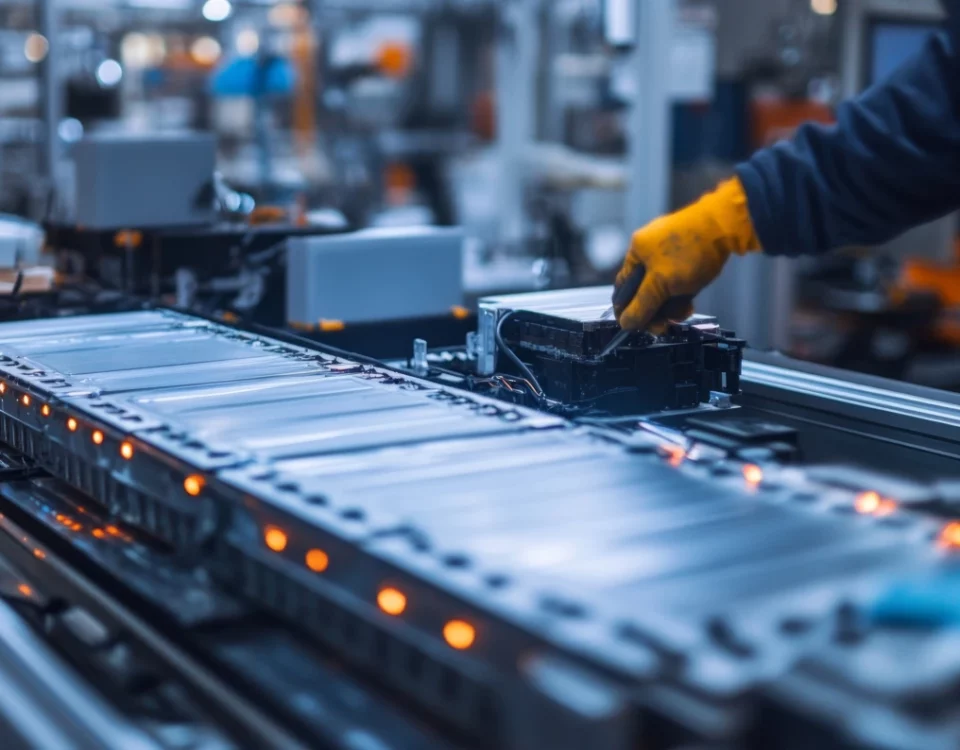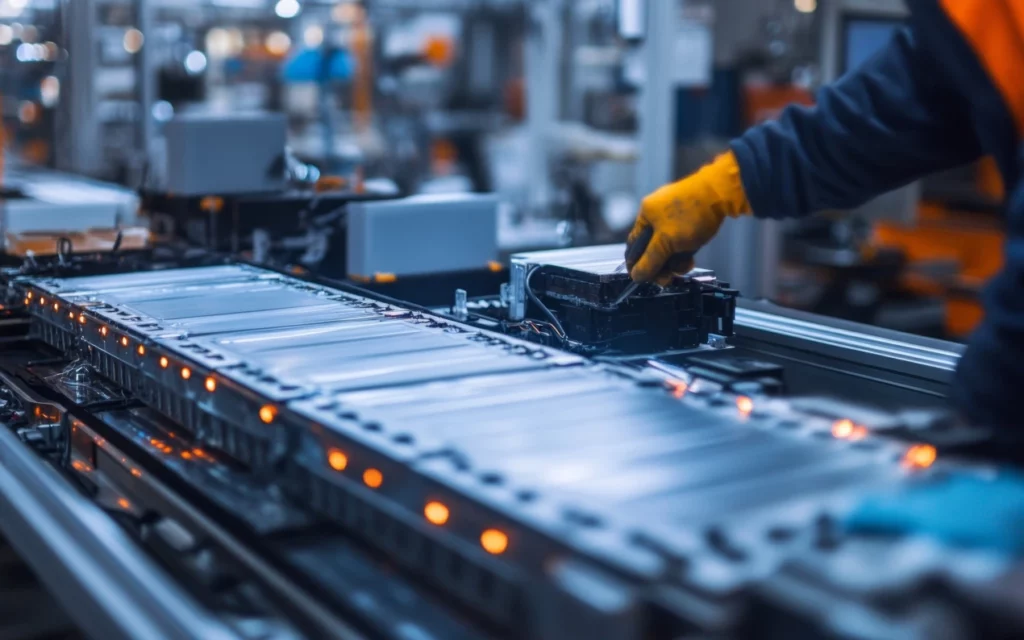



REBORN Project: Be Energy develops the remanufacturing of EV lithium batteries at the cellular level
7 March 2026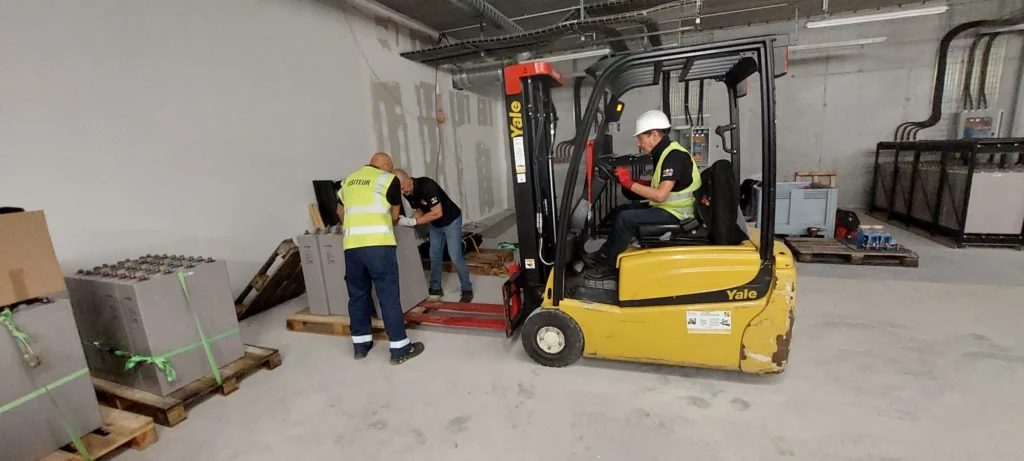
Optimizing the Battery Lifecycle: Reuse as a Driver of Sustainable Performance
The circular economy is now becoming central to critical infrastructure. By transforming the environmental liability of telecom batteries into second-life energy assets, manufacturers are optimizing their ROI while meeting new decarbonization requirements.
Telecom battery cells prior to diagnosis, intended for reconditioning and reuse.
A Break from the Linear Management Model
Historically, the end of life for stationary batteries was systematically linked to recycling. While this approach is compliant, it often led to premature depreciation of the energy value. Today, analyzing the aging profiles of batteries from the telecommunications sector reveals significant underutilized technical potential. Lightly used and kept on standby, these cells retain technical characteristics suitable for demanding applications.
Industrial Rigor for Reliability
Turning telecom batteries into resources ready for a second life is not left to chance. Each unit undergoes a standardized requalification process, ensuring that residual performance meets the requirements of new applications. This structured approach provides a dual benefit: it secures installations using these batteries and maximizes the technical value of equipment that would otherwise be prematurely recycled.
The technical audit begins with a precise evaluation of the State of Health (SoH), including measurements of internal resistance and remaining capacity. Cells are then regenerated and graded to create homogeneous and reliable systems. Finally, each pack is equipped with a next-generation Battery Management System (BMS), essential for safely managing daily charge and discharge cycles.
Case Study: Valorization of a 23-Tonne Battery Stock
A recent operation in Bordeaux provides a concrete example of this approach. Our teams dismantled and requalified four industrial racks, representing nearly 23 tonnes of telecom batteries. These cells were then redeployed across two types of projects:
- Optimizing self-consumption: integration on industrial sites to smooth photovoltaic production and reduce grid dependency.
- International deployment: supplying storage capacity for electrification projects on remote sites in Africa, where the robustness of telecom batteries is a strategic advantage.
Compliance and Traceability: The Battery Passport
Reusing batteries is effective only if performance and safety can be guaranteed. In accordance with EU Regulation 2023/1542, each repurposed pack is issued a Battery Passport, documenting its technical history and performance. This traceability reassures institutional buyers and provides a reliability guarantee for all applications, both local and international.
A Comprehensive Valorization Strategy
Reemployment is no longer a secondary option, it has become a key step in the battery lifecycle. Extending battery use by 3 to 7 years before final recycling allows companies to strengthen operational resilience, reduce environmental impact, and develop a sustainable and profitable energy storage strategy.